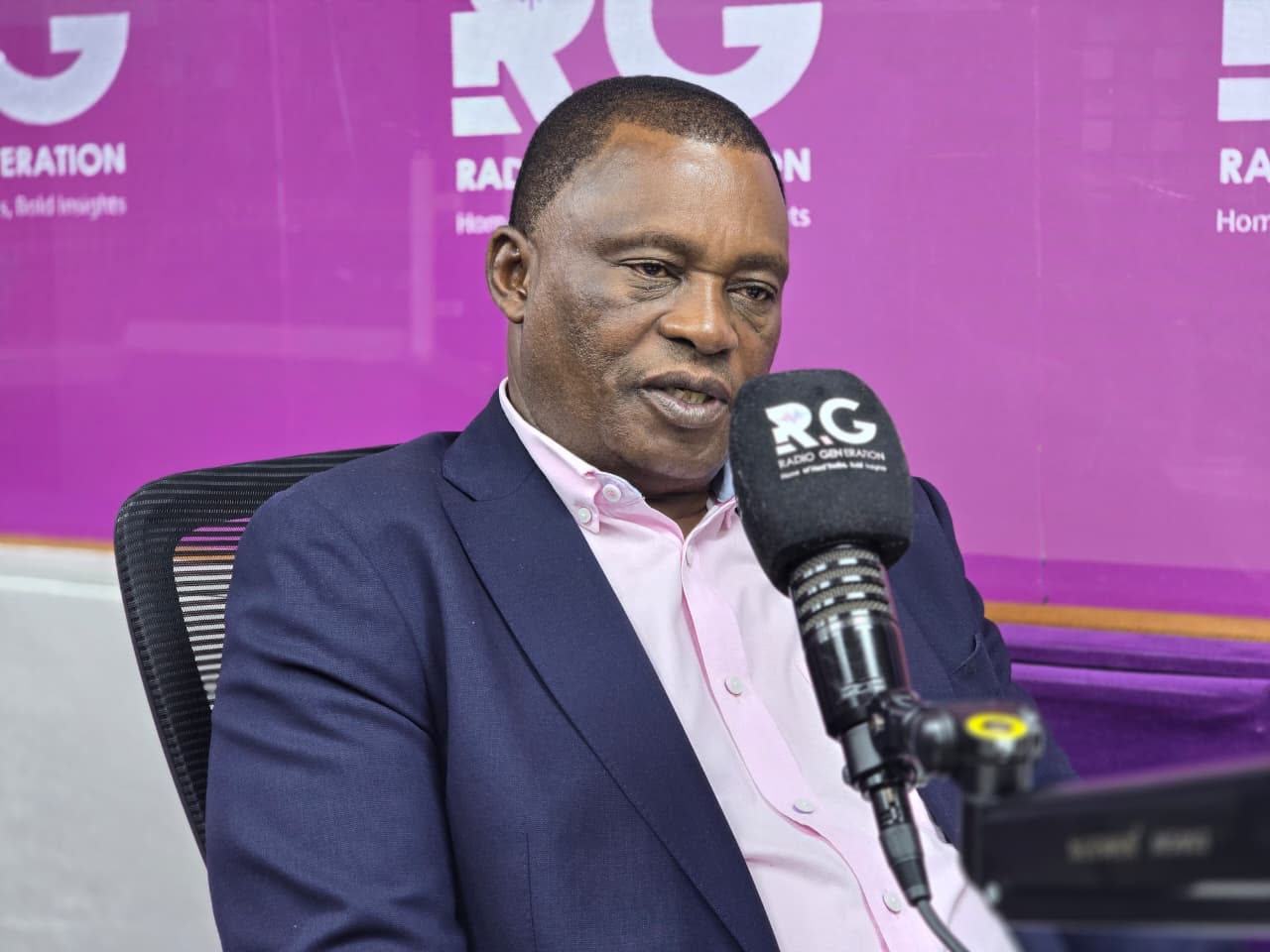
Concerns are rising over Kenya’s defence cooperation deal with France after Democratic Party leader Justin Muturi questioned how the agreement was concluded, warning that it may raise serious issues around sovereignty, public accountability, and constitutional compliance.
In his statement on Sunday, the former Attorney General said the Defence Cooperation Agreement (DCA) goes beyond routine military collaboration and directly touches on matters that affect citizens, land, and national security. He faulted the process used, saying there was limited involvement of the public, especially communities that could be directly impacted by the arrangement.
“Any agreement that contemplates the presence of foreign military personnel on Kenyan soil, with direct implications on land, security, and livelihoods, demands prior, meaningful, and verifiable consultation with affected communities,” Muturi said, adding that such engagement had not taken place to his satisfaction.
Latest Stories
- Gachagua withdraws bid to be reinstated, seeks compensation over impeachment
- President Ruto urges African leaders to own health financing and reforms
- DCP notifies IEBC it will hold Ol Kalou MP nominations on May 9
- Dr. Lukoye Atwoli warns African health systems face funding cuts
- Gachagua returns to Milimani High Court for impeachment hearing
He further raised alarm over reported clauses that could grant foreign troops legal protection from Kenyan courts, arguing that such provisions would weaken the country’s authority and legal independence.
“Granting foreign troops legal protections that may shield them from the jurisdiction of Kenyan courts is a direct affront to our sovereignty. No nation that respects its Constitution should concede such ground without transparency and accountability,” he said.
Muturi also criticised what he described as pressure to push the agreement through Parliament without enough time for proper examination. He insisted that lawmakers must be allowed sufficient space to interrogate the details before making any decision.
He warned that Kenya must be careful when entering defence partnerships with foreign states, especially at a time of shifting security dynamics in the region. According to him, failure to fully scrutinise such arrangements could damage public confidence in government decisions.
While acknowledging the importance of international cooperation in addressing security threats, Muturi maintained that such partnerships must strictly follow the Constitution and protect the interests of citizens. He called for the suspension of the ratification process until there is full transparency and broader public participation.
“Kenya is a sovereign republic. Its laws, its people, and its Constitution must remain supreme,” Muturi said.
The remarks come even as Kenya and France have already formalised a wide-ranging defence cooperation agreement aimed at strengthening military ties between the two countries. The deal, approved by the National Assembly, will run for five years starting November 2025 and will automatically renew unless terminated.
It provides a framework for joint military exercises, training programmes, exchange of personnel, and sharing of technical expertise. It also sets out the conditions under which military officers from either country may operate in the other, including wearing uniforms, carrying weapons, and using communication systems with approval from the host nation.
The National Assembly’s Departmental Committee on Defence, Intelligence and Foreign Relations, chaired by Nelson Koech, defended the agreement, saying it would strengthen Kenya’s security capacity and enhance its regional role.
“These agreements will enhance Kenya’s defence capabilities through partnerships with technologically advanced and strategically significant states,” he said.
"They will also deepen cooperation in intelligence sharing, counter-terrorism, peace support operations and research and development.”
Koech added that Parliament conducted public participation before approving the agreement, saying stakeholders from various institutions were consulted, including the Ministry of Defence, the State Department for Foreign Affairs, the Office of the Attorney-General, Nema, KWS, KNCHR, and KRA.
“This is the first time we have subjected Defence Cooperation Agreements to public participation as guided by Article 118 of the constitution,” Koech said. “The input from stakeholders significantly enriched this process.”
Despite this, Muturi maintains that the concerns he has raised remain unresolved and insists that the process should be reviewed to ensure full compliance with constitutional standards and public interest.


Comments
Sign in with Google to comment, reply, and like comments.
Continue with Google